
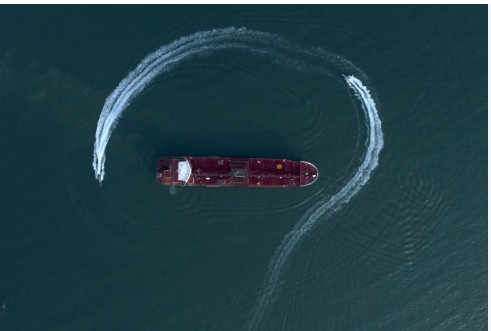
A growing sense of operational uncertainty is gripping global shipping lanes in the Middle East, as oil tankers adjust routes and delay decisions amid evolving risks. The latest signal of this volatility comes from the tanker Rich Starry, which has shifted its status to “for orders”—a term used in maritime operations when a vessel awaits fresh instructions instead of proceeding to a fixed destination.
Sudden Change in Course Raises Concerns
Earlier voyage data indicated that the tanker was expected to dock at the Omani port of Sohar Port. However, the abrupt removal of this destination suggests a reassessment of on-ground realities, including security concerns, congestion, or shifting commercial priorities.
Industry observers note that such last-minute changes are becoming more frequent, reflecting the fluid risk environment in key energy corridors.
Elpis Movement Adds to Market Speculation
Adding another layer of uncertainty is the movement of the tanker Elpis. After entering the strategically vital Gulf of Oman, the vessel has reportedly paused operations.
Its earlier docking along the Iranian coast has drawn attention, with analysts closely watching its next move. The lack of a declared destination has triggered speculation about cargo decisions, rerouting strategies, or potential geopolitical sensitivities influencing maritime operations.
Shipping Sector Faces Dynamic Risk Calculations
The use of “for orders” status by vessels like Rich Starry underscores a broader trend: shipping companies are increasingly operating with flexibility rather than fixed schedules.
Key factors driving this uncertainty include:
- Rapidly changing regional security conditions
- Fluctuating energy demand and pricing dynamics
- Strategic decisions by operators to delay commitments until clarity emerges
This approach allows companies to minimize exposure to potential disruptions but also reflects the lack of predictability in one of the world’s most critical maritime routes.
Global Implications for Energy and Trade
The Gulf region remains a crucial artery for global oil shipments, and any disruption or hesitation in tanker movements can have ripple effects across international energy markets.
Experts warn that continued ambiguity in vessel routing and port calls could:
- Impact oil supply chains
- Increase freight and insurance costs
- Add volatility to global crude prices
A Wait-and-Watch Situation
As vessels like Elpis and Rich Starry hold back from firm commitments, the situation points to a wait-and-watch strategy dominating maritime operations in the region.
Until clearer signals emerge, shipping companies appear to be prioritizing operational caution over speed, highlighting the fragile balance between commerce and risk in today’s geopolitical landscape.